
Short-Form Video Dominance: The Format Shift That's Rewriting Ad Creative Rules
Short-form vertical video is the dominant ad format in 2026. Performance data, platform trends, and what it means for creative strategy and UGC.
Vertical video achieves 90% higher watch-completion rates than horizontal (Archive/industry data). Short-form video under 60 seconds hits approximately 50% engagement rates (Archive/industry data). 61% of consumers prefer videos under one minute (Animoto, 2026).
These aren't trends. They're the new baseline. Short-form vertical video has become the default ad format, and the creative rules that governed 16:9, 30-second television spots don't apply.
The Format Won
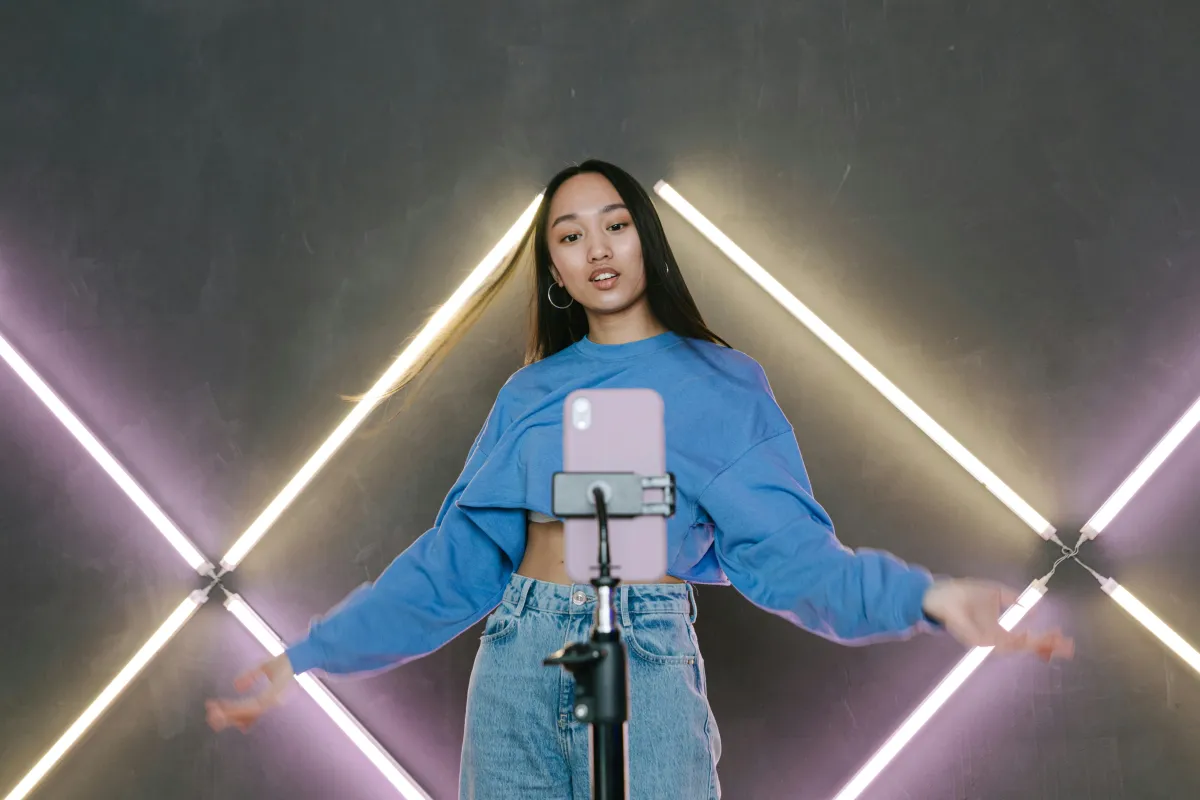
The debate about whether short-form vertical video is a fad ended years ago. TikTok proved the format. Instagram Reels, YouTube Shorts, and Snapchat Spotlight validated it across platforms. Now even traditionally horizontal platforms prioritize vertical content in their feeds and ad placements.
The performance data explains why. UGC ads on TikTok deliver 30% higher completion rates, 142% more engagement, and a 43% conversion lift compared to traditional creative (TikTok data). Short-form vertical isn't just a consumer preference. It's a measurable performance advantage that compounds across every metric advertisers care about.
For a detailed breakdown of vertical video performance data, see our vertical video ad performance analysis.
The 1.5-Second Economy
Short-form video compresses every element of creative craft. Your audience decides in 1.5 seconds whether your content is worth their attention (Digital Consumer Behaviour Report / thebettercontentclub). In a vertical feed, the next video is one swipe away. There's no captive audience.
This compression changes what effective creative looks like. 63% of top-performing ads deliver their core message within 3 seconds (TikTok review data). Nearly half of viewers who stay for 3 seconds will watch for 30 seconds (Facebook data). Brands that nail their opening see 60% more total retention (industry data).
The creative that wins in this environment isn't the most produced. It's the most immediate. For the neuroscience behind why the first frame matters so much, see our 1.5-second attention window deep-dive.
Why UGC Is Native to This Format
Short-form vertical video and UGC share the same DNA. Both are phone-native, face-forward, and conversational. A creator talking to camera in portrait mode is the natural language of these platforms. A reaction clip from a Latin creator delivers exactly this kind of authentic content — no production polish that breaks the feed's visual contract, just a real face with a real emotion.
The brain locks onto eyes and facial expressions in under a second (InFront Marketing / neuroscience). Human presenters with native overlays add 5-10 hook rate points (SendShort, six-brand analysis). TikTok's average hook rate is 30.7%, with top-quartile performers reaching 40-45% (Tuff Agency, 11 accounts). Meta's baseline sits at 20-25%, with top performers exceeding 30% (Vaizle, 2025).
UGC naturally delivers the creative elements that drive these numbers: real faces, genuine expressions, platform-native formatting, and immediate hooks. Polished brand creative has to be deliberately de-produced to fit the format. UGC fits by default.

The Creative Rules Have Changed
In the 30-second horizontal era, creative followed a narrative arc: setup, development, payoff. Brands had time to establish context before delivering the message.
Short-form vertical inverts that structure. The payoff comes first. The hook is the ad. Everything after the first 1.5 seconds is earned attention, not assumed attention.
This restructuring has practical implications for how ads are built. See our guide on UGC ad structures for TikTok and Meta for specific frameworks.
The key shifts: lead with a face, not a logo. Open with emotion, not information. Show the product in use, not in isolation. Speak conversationally, not commercially. Keep the energy high and the duration tight.
Human-led emotional storytelling generates 3.2x stronger emotional response than AI avatars (industry data / HubSpot cited). In a format where emotional resonance determines whether someone watches or swipes, that multiplier is the single most important creative variable.
Testing Velocity Matters More Than Production Value
Short-form ad fatigue is fast. Creative that performs well in week one may exhaust by week three. The platforms reward freshness, and audience tolerance for repetition is low.
This creates a structural demand for creative volume. You need more variations, more often, across more hooks and angles. 80% of consumers prefer real customer photos over stock photography (industry survey). AI-generated content triggers the same authenticity skepticism: 36% say AI video lowers brand trust (Animoto, 2026).
UGC marketplace models like LatinaUGC solve the volume problem without sacrificing authenticity. Pre-recorded clips from real creators, organized by emotion and use case, give media buyers the creative depth to test at the frequency the format demands. At traditional UGC rates of $150-300 per video (Whop, Influee, Billo, 2025-2026), high-frequency testing is expensive. Library pricing with lifetime commercial rights included makes it sustainable.
What Winners Do Differently
The brands outperforming on short-form video share several patterns. They treat creative testing as a weekly process, not a quarterly event. They prioritize hook rate as a primary KPI. They use real faces in the first frame. They keep messaging under three seconds. They rotate creative before fatigue sets in.
Campaigns that reach 30-50% hook rates do so through systematic testing (Zeely Meta-ads analysis, 2025). That testing requires volume. Volume requires either high budgets for custom production or access to a content library deep enough to support weekly rotation.
The format shift to short-form vertical isn't something brands can opt out of. The audience has moved. The algorithms have followed. The creative strategy has to match.
Real creators. Real emotion. Ready to test in your next campaign. Browse the Catalog →
Sources
- Archive/industry data, "Vertical video completion rates and short-form engagement"
- Animoto, "State of Video 2026 Report," January 2026
- TikTok, "UGC ad performance data"
- Digital Consumer Behaviour Report / thebettercontentclub, "1.5-second attention threshold"
- Facebook, "3-second viewing behavior data"
- InFront Marketing, "Neuroscience of visual attention"
- SendShort, "Human presenters and hook rate (6-brand analysis)"
- Tuff Agency, "TikTok hook rate benchmarks (11 accounts)"
- Vaizle, "Meta hook rate benchmarks," 2025
- Zeely, "Meta-ads hook rate optimization analysis," 2025
- HubSpot, "Emotional storytelling and AI avatar engagement data"
- Whop, Influee, Billo, "UGC pricing data," 2025-2026