
Why the Brands Winning on TikTok in 2026 Are Betting on Authenticity
TikTok's algorithm rewards authentic content. The brands winning in 2026 use UGC-style creative with real creators, not polished production or AI video.
UGC ads on TikTok deliver 30% higher completion rates, 142% more engagement, and a 43% conversion lift compared to traditional brand creative (TikTok data). Those aren't marginal improvements. They're the kind of performance gaps that reshape entire creative strategies.
The brands dominating TikTok in 2026 have internalized a simple insight: the platform was built for content that feels real. Fighting that with polished production or AI-generated creative is fighting the algorithm itself.
The Algorithm Has an Aesthetic Preference
TikTok's recommendation engine optimizes for watch time and engagement. Content that holds attention gets distributed. Content that doesn't, regardless of production budget, gets buried.
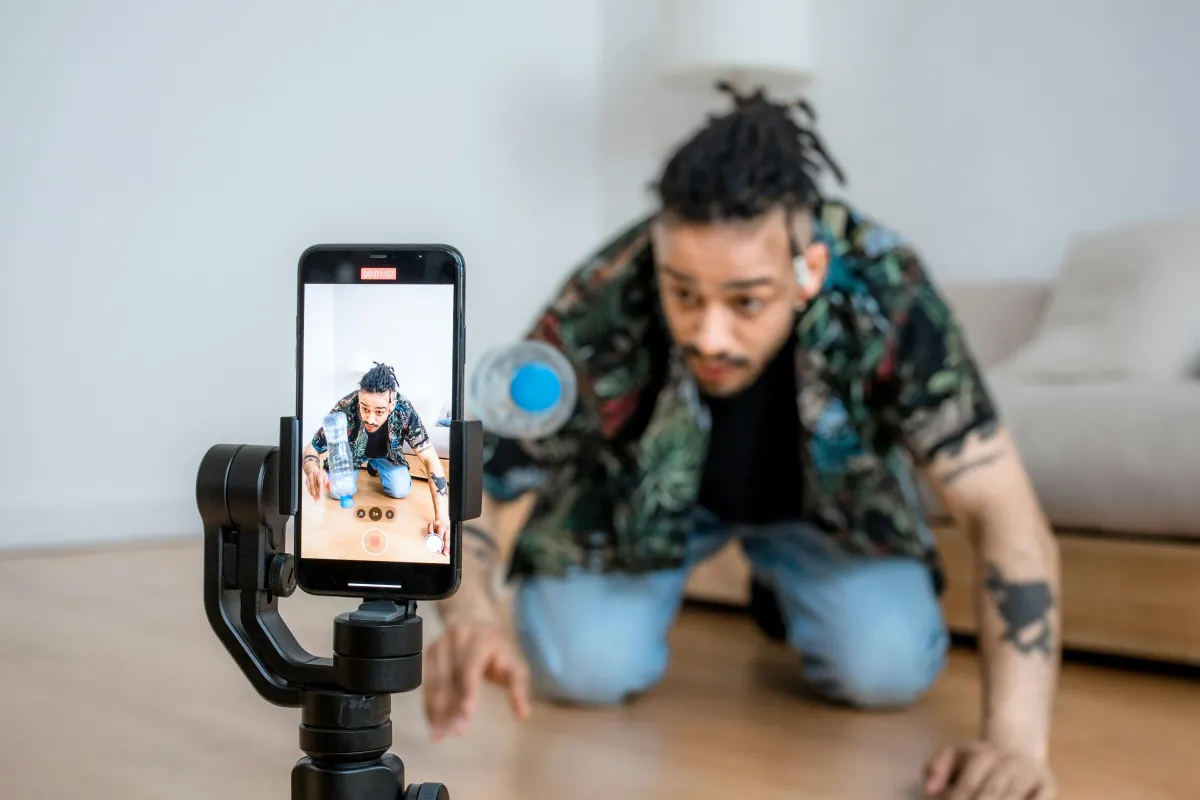
UGC-style content holds attention because it matches the visual language users expect on the platform. It looks like something a friend posted, not something a brand paid for. That visual match reduces the "this is an ad" friction that causes skips. UGC is 22% more effective than brand-created content on TikTok specifically (Marketing LTB, 2025).
This isn't an accident of the algorithm. It's a reflection of user behavior. 61% of consumers prefer videos under one minute (Animoto, 2026). Short-form video under 60 seconds achieves approximately 50% engagement rates (Archive/industry data). The format TikTok popularized is the format UGC naturally fits.
Why Polished Production Backfires
TikTok's top-performing ads share a pattern: they don't look like ads. The moment a viewer's pattern-recognition system flags something as commercial, the thumb moves. The 1.5-second attention window (Digital Consumer Behaviour Report / thebettercontentclub) is even more compressed on a platform where the next video is a single swipe away.
63% of top-performing ads deliver their core message within 3 seconds (TikTok review data). That leaves no room for brand intros, logo animations, or the production flourishes that signal "this cost money to make." The creative that wins is the creative that gets to the point using the visual language of the platform.
Human presenters with native overlays add 5-10 hook rate points in a six-brand analysis (SendShort). The combination of a real face and platform-native formatting is the highest-performing creative formula on short-form platforms. For a deeper look at why reaction content works as hooks, see our psychology of reaction videos.
The AI Creative Trap
Some brands have responded to TikTok's authenticity preference by using AI to generate "authentic-looking" content. The logic seems sound: if the algorithm wants UGC-style content, just generate it at scale.
The data suggests this doesn't work the way brands hope. 78% of consumers trust videos featuring real people (Animoto, 2026). The top AI tells consumers report are robotic gestures (67%), unnatural voices (55%), and lack of emotional tone (51%) (Animoto, 2026). These are exactly the qualities that distinguish genuine TikTok content from imitations.
83% of consumers believe they can spot AI-generated content (Animoto, 2026). Whether that confidence is fully justified is debatable, but the vigilance it produces is real. Viewers are actively looking for signs of synthetic content, especially on a platform whose entire value proposition is authenticity.
For the full performance data on UGC versus other creative types on TikTok, see our TikTok ad performance analysis.
Emotional Range as a Creative Advantage
TikTok rewards emotional intensity. Content that provokes a reaction, any reaction, gets shared and watched longer than content that plays it safe.
Human-led emotional storytelling produces 3.2x stronger emotional response than AI avatars (industry data / HubSpot cited). On a platform where emotional resonance directly determines distribution, that multiplier matters more than production budget.
Latin creators are particularly well-positioned here. Cultural expressiveness, bilingual delivery, and emotional range that spans from comedic surprise to genuine vulnerability play directly to what TikTok's algorithm and audience respond to. A reaction clip from a Latin creator brings authentic cultural expressiveness that polished brand creative and AI avatars simply can't manufacture. See our analysis of why Latin creators excel at emotional content.
The Testing Advantage
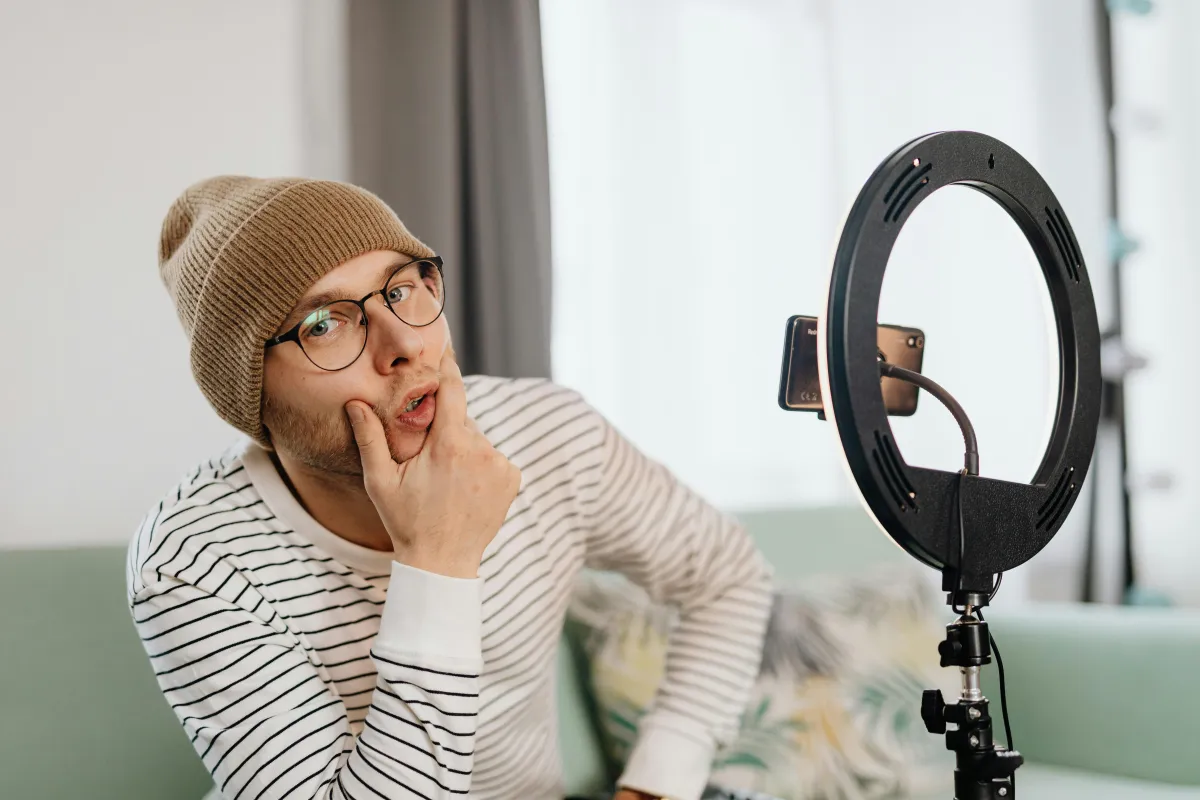
The brands winning on TikTok aren't running a single hero video. They're testing dozens of creative variations weekly, rotating hooks, swapping creators, and iterating based on data.
This testing velocity requires volume. Traditional UGC production at $150-300 per video (Whop, Influee, Billo, 2025-2026) makes high-frequency testing expensive. Video marketplace models change the math entirely. A video library of pre-recorded clips — with lifetime commercial rights included — lets brands test at the speed the platform demands without the brief-wait-revise cycle of custom production.
TikTok's average hook rate sits at 30.7%, with top-quartile performers hitting 40-45% (Tuff Agency, 11 accounts). Reaching those top-quartile numbers requires testing enough variations to find the combinations that resonate. You can't optimize what you can't afford to test.
What Winning TikTok Creative Looks Like in 2026
The pattern across top-performing TikTok advertisers is consistent. The creative starts with a real person, usually a creator rather than an actor. The first frame features their face and an expression or statement designed to stop the scroll. The format is vertical, shot on a phone or in a style that mimics phone footage. The message is delivered within 3 seconds. The tone matches the platform.
Nearly half of viewers who stay for 3 seconds will watch for 30 seconds (Facebook data). The investment in that opening moment pays off exponentially. Brands that nail their opening see 60% more total retention (industry data).
The brands getting this right aren't producing content that looks expensive. They're producing content that looks real. On TikTok, those are opposite strategies.
The Authenticity Moat
TikTok's preference for authentic content creates a genuine competitive advantage for brands willing to invest in real creator relationships and real content. AI can imitate the aesthetic, but it can't replicate the trust signal.
86% of consumers trust brands using UGC over those using influencer marketing (industry survey). On a platform where trust determines engagement and engagement determines distribution, that trust premium compounds into a distribution advantage.
The brands winning on TikTok in 2026 aren't the ones with the biggest production budgets. They're the ones with the deepest libraries of authentic user-generated content and the testing infrastructure to deploy it at scale.
Real creators. Real emotion. Ready to test in your next campaign. Browse the Catalog →
Sources
- TikTok, "UGC ad performance data"
- Marketing LTB, "UGC effectiveness on TikTok," 2025
- Animoto, "State of Video 2026 Report," January 2026
- Archive/industry data, "Short-form video engagement rates"
- Digital Consumer Behaviour Report / thebettercontentclub, "1.5-second attention threshold"
- SendShort, "Human presenters and hook rate (6-brand analysis)"
- Tuff Agency, "TikTok hook rate benchmarks (11 accounts)"
- Facebook, "3-second viewing behavior data"
- HubSpot, "Emotional storytelling and AI avatar engagement data"
- Whop, Influee, Billo, "UGC pricing data," 2025-2026