
The ROI of Real: Why UGC Ads Deliver 4x Higher CTR at 50% Lower CPC
UGC ads deliver 4x higher click-through rates and 50% lower cost per click. Here's the full ROI breakdown with conversion, engagement, and revenue data.
4x higher click-through rates. 50% lower cost per click. 104% conversion lift. 154% more revenue per visitor.
These are not projections. They are not goals on a pitch deck. They are measured performance differences between UGC ads and conventional brand-produced creative, replicated across multiple studies and platforms. If you run paid media, these numbers should reframe how you allocate your creative budget.
This article lays out every major ROI data point for UGC advertising in one place: click performance, cost efficiency, conversion rates, engagement multiples, and revenue impact. Then we'll do the cost math on what it actually takes to produce this content.
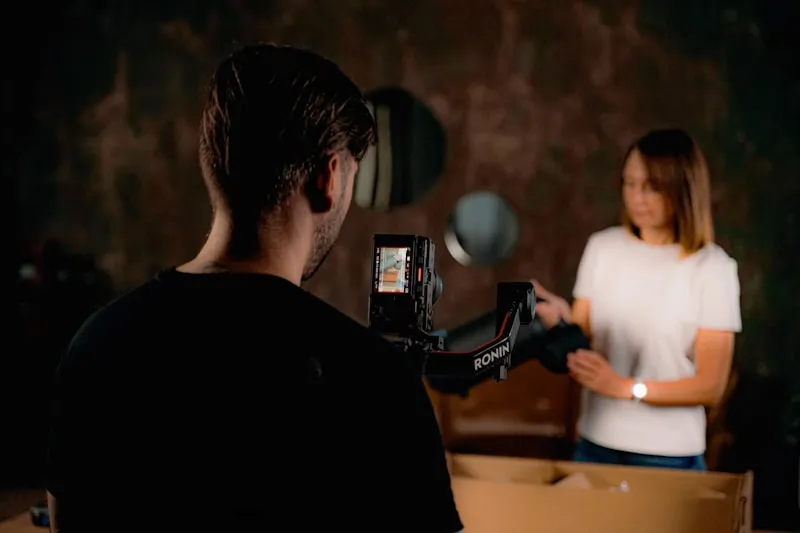 UGC content consistently outperforms polished brand creative across every major performance metric.
4x Higher CTR: What the Click Data Actually Shows
The headline stat is stark. UGC ads generate 4x higher click-through rates compared to traditional brand-produced ads. This holds across Meta, TikTok, and display networks.
Why? The answer connects directly to neuroscience. As we covered in our breakdown of the 104% conversion lift data, real faces and authentic production signals trigger trust circuits that polished creative does not. When a viewer's brain registers "real person" instead of "ad," the impulse to engage follows.
The click-through advantage isn't subtle. It's not a 10-15% lift you need statistical significance calculators to validate. It's a 4x multiple. That kind of gap doesn't come from better copywriting or smarter targeting. It comes from a fundamentally different viewer response to the creative itself.
For media buyers, this means UGC creative can rescue campaigns that are struggling with low CTR. Before you rebuild your audience, swap the creative.
50% Lower CPC: The Cost Efficiency Multiplier
Higher CTR mechanically drives lower CPC on auction-based platforms. When more people click, the platform rewards you with lower costs. But the 50% CPC reduction from UGC isn't just a CTR side effect. It reflects how platform algorithms evaluate creative quality.
Meta's ad delivery system and TikTok's auction both factor in engagement signals when determining cost. Creative that earns more engagement gets distributed more efficiently. UGC, with its native look and authentic feel, consistently earns those signals.
Here's what 50% lower CPC means in practice: the same budget buys twice the traffic. Or, put differently, you can hit the same traffic targets at half the spend and reinvest the savings into testing more creative variations.
Combined with the CTR lift, you get a compounding effect. More clicks per impression, each click costing less. The ROI math starts to look very different from traditional production workflows.
104% Conversion Lift: From Click to Customer
Clicks are a means, not an end. What happens after the click matters more. And this is where UGC data gets genuinely compelling.
Visitors who interact with UGC convert at 104% higher rates than those who don't. That's not a small optimization. It's a doubling of conversion probability.
The mechanism is social proof operating at the product decision layer. When a shopper sees a real person using, reacting to, or reviewing a product, the perceived risk of purchase drops. The content answers the question every buyer is silently asking: "Will this work for someone like me?"
We break this data down in detail in our conversion data deep-dive, but the summary is this: UGC doesn't just get people to your page. It gets them to buy.
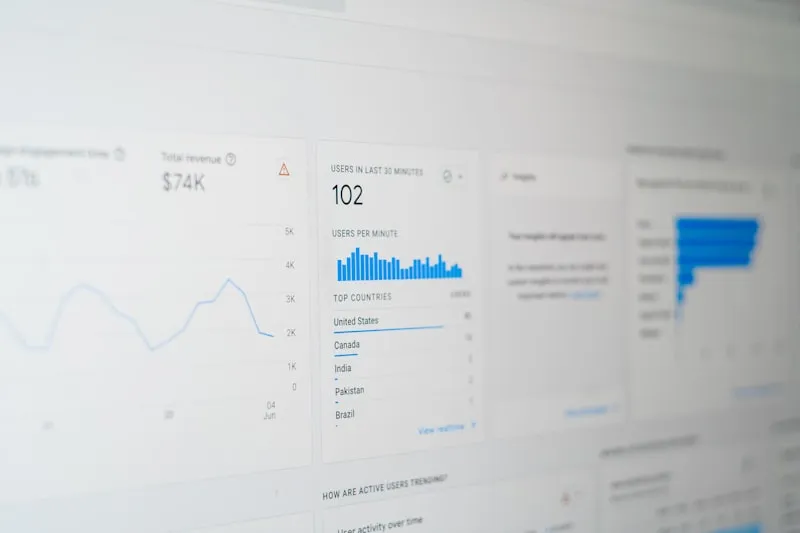 The conversion lift from UGC isn't marginal. It's a fundamental shift in how visitors move through the purchase funnel.
154% Revenue Per Visitor: The Bottom-Line Number
Revenue per visitor is the metric that collapses the entire funnel into one number. It captures traffic quality, conversion rate, and average order value simultaneously.
UGC on product pages drives a 154% increase in revenue per visitor. Paired with a 161% increase in product page conversions, this data paints a clear picture: UGC doesn't just attract browsers. It attracts buyers who spend more.
For e-commerce brands, this is the single most important number in this article. Every visitor to a product page with UGC is worth roughly 2.5x what they'd be worth on a page without it.
The implication for ad creative is direct. If your ads drive traffic to product pages that feature UGC, the entire funnel benefits. The ad's UGC creative earns the click, and the page's UGC content closes the sale.
6.9x Engagement: The Organic Amplifier
Paid performance is only half the story. UGC posts generate 6.9x more engagement than brand-generated content organically. That engagement feeds back into paid distribution through social signals, shares, and algorithmic amplification.
This matters because ad creative doesn't exist in isolation. High-engagement UGC used as ad creative often gets shared, saved, or commented on at rates that extend its reach beyond the paid impression. Each of those interactions is an additional touchpoint that cost you nothing extra.
On TikTok specifically, UGC is 22% more effective than brand-created content and delivers 30% higher completion rates, 142% more engagement, and a 43% conversion lift. The platform's algorithm is essentially optimized for the kind of content UGC naturally produces: authentic, vertical, short-form, human-led.
For a full breakdown of TikTok-specific data, see our TikTok UGC performance analysis.
The Hook Rate Connection
Performance doesn't happen if nobody watches past the first frame. This is where UGC's advantage begins, before any conversion or click can occur.
As we explored in our hook rate benchmarks analysis, TikTok's average hook rate sits at 30.7%, with top-quartile performers reaching 40-45%. Meta campaigns typically baseline at 20-25%.
UGC creative consistently over-indexes on hook rates because real human faces trigger automatic attention capture. The brain locks onto eyes and expressions in under a second. A real person looking into the camera and reacting is one of the most reliable scroll-stopping signals available to advertisers.
This creates a cascading advantage: higher hook rate leads to higher completion, which leads to stronger engagement signals, which leads to better delivery efficiency, which leads to lower CPC. UGC doesn't just win on one metric. It compounds across the entire funnel.
The Cost Comparison: What UGC Actually Costs
The performance data is clear, but ROI requires both sides of the equation. What does UGC content actually cost to produce?
Traditional custom UGC runs $150-$300 per video at base rates. Add usage rights (+30-50%), rush delivery (+25-50%), or perpetual licensing (+100-150%), and a single video can easily exceed $500.
At those rates, testing 10-20 creative variations (which is the minimum for meaningful performance learning) costs $5,000-$10,000. That's a real barrier for most brands.
Library UGC changes this math entirely. Pre-recorded clips from vetted creators start at a fraction of custom rates, with commercial rights included. No negotiation, no usage fees, no rush premiums. This lets brands test aggressively, which is exactly what the performance data demands. A video marketplace like LatinaUGC structures this differently: you browse a curated clip library, select the reaction clips that match your campaign concept, and launch the same day — with lifetime commercial rights already included.
We cover the full cost breakdown in our UGC pricing comparison. The short version: library clips make the ROI equation work at every budget level.
 When you factor in usage rights, rush fees, and revision cycles, traditional UGC costs 3-5x more than the base rate suggests.
What This Means for Your Creative Strategy
The data converges on a simple conclusion: UGC outperforms conventional ad creative on every metric that matters. CTR, CPC, conversion rate, revenue per visitor, engagement, hook rate.
This doesn't mean every UGC ad wins. Bad UGC still loses. But when you have a system for producing authentic, high-quality human content at volume, the performance floor rises dramatically. You're starting from a better baseline on every campaign.
The practical implications:
Allocate at least 50% of your creative testing budget to UGC formats. Test real human reaction clips against your best-performing polished creative — authentic b-roll and selfie-camera reaction videos from Latin creators consistently outperform studio creative on hook rate and completion. Measure hook rate, CTR, CPC, and conversion separately. Let the data from your own account confirm what the aggregate data already shows.
Then scale what works.
The Bottom Line
4x higher CTR. 50% lower CPC. 104% conversion lift. 154% more revenue per visitor. 6.9x engagement. These numbers don't argue for incremental optimization. They argue for a fundamental reallocation of creative resources toward authentic human content.
The brands that figured this out early are already operating at a structural advantage. The ones that figure it out next will catch up. The ones that keep running polished studio creative against UGC competitors will keep wondering why their CPAs keep climbing.
Real creators. Real emotion. Ready to test in your next campaign. From $8 per clip, with lifetime commercial rights. See how the math works. [View Pricing →]
Sources
- Animoto, "State of Video 2026 Report," January 2026
- Archive, "UGC Research and Performance Data," 2024
- Flowbox, "UGC Conversion Research," Recent
- Marketing LTB, "UGC Market and Performance Statistics," 2025
- TikTok, "UGC Ad Performance Data," Recent
- Tuff Agency, "Hook Rate Benchmarks Across 11 Accounts," Recent
- Vaizle, "Meta Ad Performance Review," 2025
- Multiple sources (Whop, Influee, Billo, Superscale), "UGC Pricing Data," 2025-2026