
The Hispanic Market Is $3.4 Trillion. Your Ad Creative Should Reflect That
The U.S. Hispanic market represents $3.4 trillion in buying power. Brands using authentic Latin creator content capture more of it. Here's the data.
The U.S. Hispanic population is roughly 65 million people. Hispanic buying power has crossed $3.4 trillion. If U.S. Hispanics were a standalone economy, they'd rank among the top five globally.
And yet, look at most brands' ad creative libraries. The faces in their UGC, their testimonials, their reaction clips: they don't reflect the audience they're trying to reach.
This isn't just a representation gap. It's a performance gap. The neuroscience of trust, the consumer preference data on authenticity, and the conversion metrics on UGC all point to the same conclusion: when your ad creative matches your audience, it performs better. When it doesn't, you're leaving money on the table.
The Numbers Behind the Market
Hispanic Americans are the fastest-growing demographic segment in the United States. The population has grown by more than 20% over the past decade, and median age skews younger than the general population. That younger demographic is disproportionately active on the platforms where short-form video advertising lives: TikTok, Instagram Reels, YouTube Shorts.
This isn't a niche. It's the mainstream growth story of American consumer markets for the next two decades.
Yet advertising representation hasn't kept pace. Multiple industry analyses have found that Hispanic representation in advertising lags behind population share. The creative teams producing ad content, the stock footage libraries brands pull from, and the UGC creator pools brands access all tend to underrepresent Latin faces and voices. A dedicated video marketplace built around Latin and Latina creators — with a pre-built clip library organized by emotion, use case, and language — is designed to close exactly this gap.
The result: billions in addressable spending being targeted with creative that doesn't reflect the audience viewing it.
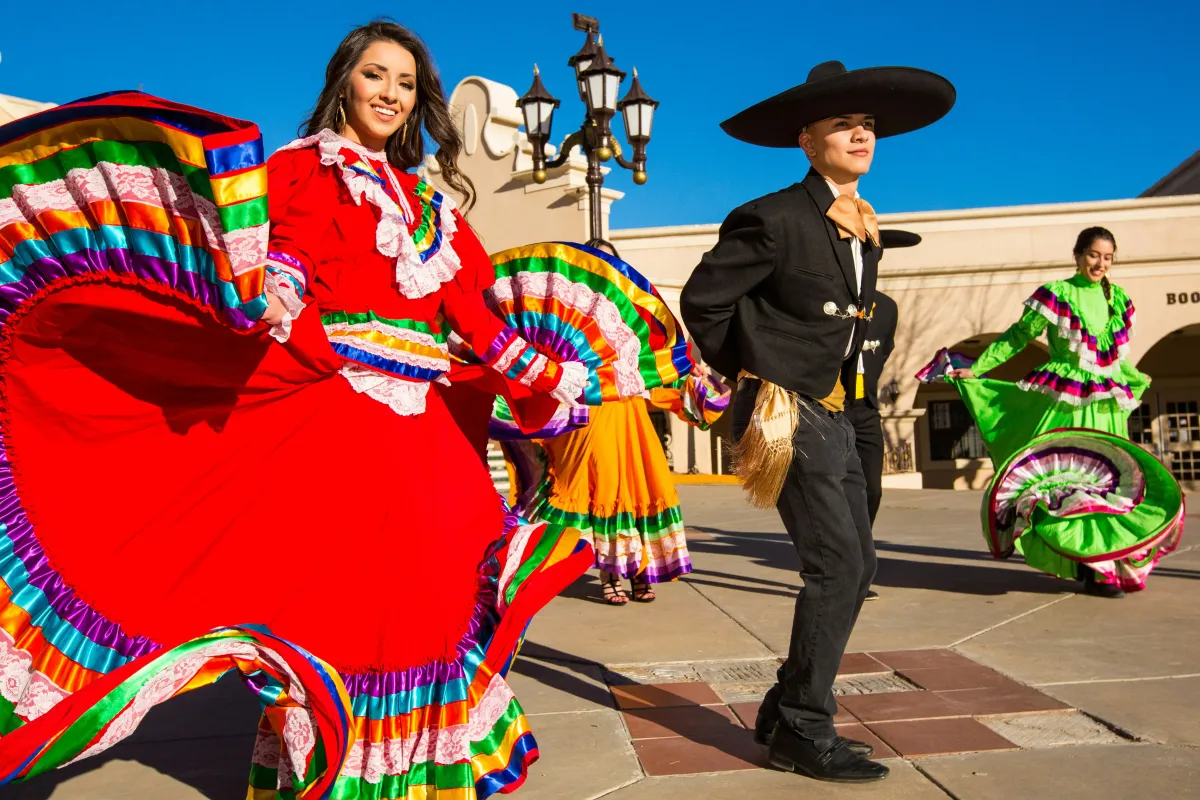 Photo by Daniel Lloyd Blunk-Fernández on Unsplash
The Hispanic market isn't a niche segment. It's one of the largest consumer economies in the world.
Photo by Daniel Lloyd Blunk-Fernández on Unsplash
The Hispanic market isn't a niche segment. It's one of the largest consumer economies in the world.
Why Representation Drives Performance
This isn't about optics. It's about the mechanics of how trust and attention work in advertising.
Animoto's 2026 State of Video Report found that 78% of consumers trust videos featuring real people. But "real people" means something specific: people who look, sound, and feel relatable to the viewer. When a Hispanic consumer sees a reaction video from someone who shares their cultural context, the trust signal is amplified. When they see someone who doesn't, it's diminished. (For more on this dynamic, see 78% of Consumers Trust Real People Over AI Video.)
The facial trust research makes this even clearer. Your brain makes snap judgments about trustworthiness based on facial familiarity within milliseconds. Familiarity isn't just about individual recognition; it includes cultural and demographic similarity. A face that "looks like someone I know" triggers a stronger trust response than one that doesn't.
For brands targeting Hispanic audiences, this means authentic content from Latin creators doesn't just check a diversity box. It activates the specific neural trust pathways that drive engagement and conversion — which is why the most performance-focused brands are treating their UGC marketplace access as a strategic media asset, not an afterthought.
The General-Market Bonus
Here's what many brands miss: Latin creator content doesn't only perform well with Hispanic audiences. It performs well broadly.
The expressiveness and warmth that Latin creators bring to UGC (explored in depth in Why Latin Creators Dominate Emotional UGC) translate into stronger emotional signal regardless of the viewer's background. A genuine surprised reaction is a genuine surprised reaction. A warm, authentic product testimonial connects whether the viewer shares the creator's cultural background or not.
UGC ads already deliver 4x higher CTR and 50% lower CPC, according to multiple performance studies. Latin creator content adds the expressiveness advantage on top of the baseline UGC lift. You're not choosing between "Hispanic audience content" and "general audience content." You're getting both.
This is especially true in categories where emotional authenticity matters most: beauty, food, wellness, fashion, baby products, and household goods. These are also categories where Hispanic consumers over-index in spending growth.
The Bilingual Multiplier
Beyond visual representation, Latin creators frequently offer genuine bilingual capability. A single creator who can deliver the same authentic reaction in English and Spanish doubles the reach without doubling the cost.
This isn't about dubbing or translation. It's about native fluency in both languages, delivered with the same emotional authenticity. Hispanic consumers, many of whom are themselves bilingual, can detect the difference between someone speaking Spanish natively and someone reading a translated script. The former builds trust. The latter undermines it.
For brands running campaigns that span the U.S. general market and Hispanic-targeted media buys, bilingual creators offer a strategic efficiency that monolingual creator pools simply can't match.
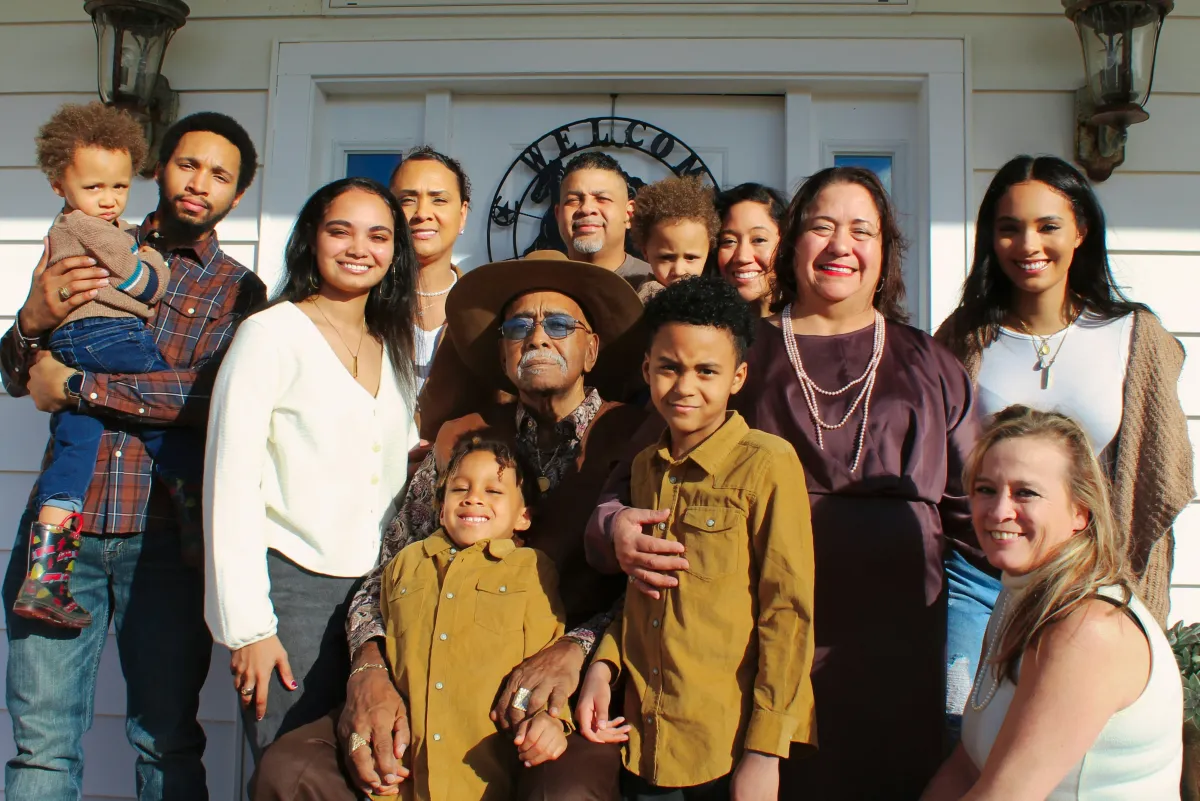 Photo by Rajiv Perera on Unsplash
Latin creators bring both visual representation and linguistic reach to every piece of content.
Photo by Rajiv Perera on Unsplash
Latin creators bring both visual representation and linguistic reach to every piece of content.
The Supply Problem
If Latin creator content is this strategically valuable, why isn't every brand already using it?
Because the supply infrastructure hasn't existed. Traditional UGC platforms and talent agencies have focused on general-market creators. Finding vetted Latin creators who can deliver across emotional ranges, in multiple languages, at the quality and speed that performance marketing demands, has required manual sourcing, individual negotiations, and fragmented workflows.
That's the gap LatinaUGC was built to fill. A dedicated marketplace where the creator pool is specifically curated for the expressiveness, linguistic range, and cultural authenticity that this audience and this moment demand.
What This Means for Your Media Strategy
If you're spending ad dollars against Hispanic audiences (and given the market size, you should be), audit your creative library. Count the Latin faces. Count the Spanish-language clips. Count the reactions that feel culturally native rather than generically "diverse."
Then look at your performance data. The articles you're reading in this series have laid out the evidence: UGC outperforms traditional creative. Emotional authenticity drives trust. Trust drives conversion. And Latin creators deliver emotional authenticity at a level that the scroll environment rewards.
The $3.4 trillion Hispanic market isn't waiting for brands to figure this out. The brands that match their creative to their audience will capture share. The rest will keep wondering why their CPAs are higher than they should be.
Real creators. Real emotion. Ready to test in your next campaign. Browse the Catalog →
Sources
- Animoto, "State of Video 2026 Report," January 2026
- Industry data on UGC ad performance (4x CTR, 50% lower CPC), recent
- U.S. Census Bureau, Hispanic population data, recent
- Latino Donor Collaborative / various economic analyses of U.S. Hispanic buying power, recent